2026年8月27日

Yes, exterior aluminum alloy doors and frames are the preferred solution for outdoor openings. They are comprehensively superior to standard interior aluminum doors, as well as other materials such as wood, steel, and PVC-steel composites. Engineered specifically to withstand outdoor environments, they feature thicker profiles, reinforced sealing systems, and rust-resistant hardware. In terms of durability, thermal efficiency, low maintenance requirements, and long-term value, no other option can match them.
1. Superior Structural Strength
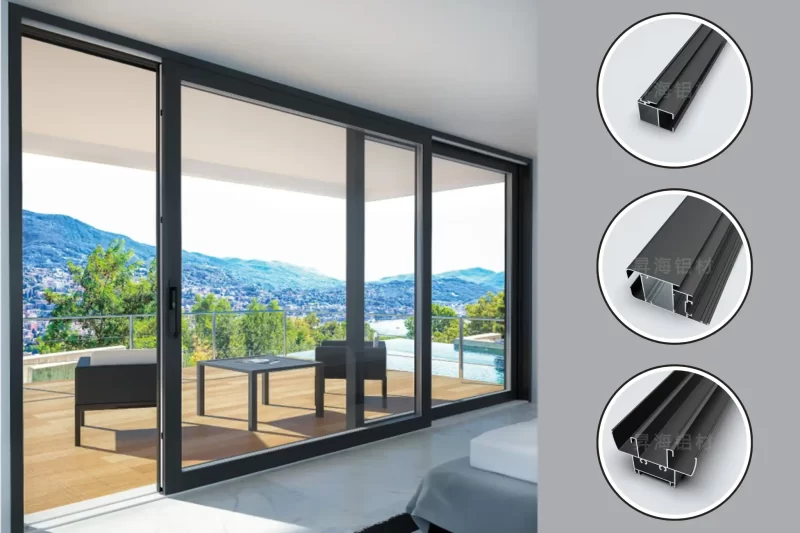
Exterior aluminum doors mandate the use of high-hardness 6063-T6 alloy, with wall thicknesses typically ranging from 1.4 mm to 2.0 mm. In certain regions—such as coastal areas prone to severe weather (e.g., Florida or the Philippines)—thicknesses of up to 3.0 mm may be required. These areas experience high wind pressures and tornado risks, necessitating thicker aluminum profiles to resist wind loads; these profiles are paired with multi-point locking systems to withstand extreme wind pressure loads and physical intrusion attempts.
Furthermore, exterior aluminum doors and frames often require the use of 3,600-ton (3600T) class extrusion presses. The high pressure generated by these machines effectively eliminates microscopic pores within the aluminum material, enhancing its atomic density to prevent metal fatigue and fracture during prolonged cycles of wind pressure exposure.
2. Superior Overall Sealing Performance
Exterior systems establish a physical barrier capable of completely blocking torrential rain penetration and aerodynamic noise. This is achieved through multiple EPDM sealing strips—precision-extruded for a perfect fit—combined with an integrated, concealed drainage system.
Rain Protection: Prevents rain from being “blown” indoors by the wind.
While interior doors merely need to provide visual privacy, exterior doors must contend with torrential downpours. Without multi-layer rubber seals (EPDM) and dedicated drainage ports, wind pressure can directly “force” accumulated water through the gaps and into your living room, potentially ruining your solid wood flooring.
Cost Savings: Prevents air conditioning—and money—from escaping.
Aluminum itself is a highly thermally conductive material; if the sealing is inadequate, external heat waves will inevitably infiltrate through the gaps. It is much like running your air conditioner with the windows wide open in the middle of summer; a door with poor sealing will cause your electricity bill to skyrocket like a rocket.
Noise Blocking: Sealing Off the Outside World
The outdoors is filled with the sounds of car horns, noisy neighbors, or howling winds. By utilizing three—or even four—layers of sealing strips, exterior doors compress the door frame and sash together as tightly as a vacuum-sealed package. This effectively blocks out external noise, providing you with a quiet environment conducive to a good night’s sleep.
Dust Blocking: Keeping Sandstorms and Insects Out
In areas prone to heavy dust or insect infestations, a poorly sealed door acts as a massive “welcome mat” for unwanted intruders. A superior sealing system ensures that even when sandstorms are raging outside, the white shirts hanging in your closet remain completely dust-free.
3. Features a “Thermal Break” Design
Exterior doors equipped with a thermal break design can effectively and consistently regulate indoor temperatures throughout both summer and winter, maintaining a climate that is comfortable and habitable for humans. In contrast, interior aluminum doors typically do not require a thermal break; if installed outdoors, they would become unbearably hot in the summer and dangerously cold in the winter.
4. Thicker Surface Finishes
Exterior aluminum doors and frames feature significantly thicker surface finishes. Because they are constantly exposed to harsh outdoor conditions—such as intense sunlight, driving rain, and abrasive wind and sand—exterior profiles must undergo a 25μm anodizing treatment. This ensures they possess the durability to withstand these environmental stressors. Interior materials, on the other hand, have less stringent requirements for surface finishing; since aesthetics are the primary concern, a standard powder coating application is typically sufficient.
When it comes to exterior doors and frames, would it be appropriate to opt for alternative materials such as wood or steel instead? The answer is a resounding no.
Aluminum Offers Greater Chemical Stability Than Wood
While wooden doors possess a certain aesthetic appeal and offer a natural, organic feel, their practical suitability falls far short of that of aluminum. This is because wood is susceptible to moisture absorption, rot, atmospheric oxidation, and UV-induced aging—issues that simply do not affect aluminum. As for the aesthetic appeal of wood, aluminum can easily match it; with countless surface finish colors available, you can even select realistic wood-grain textures—such as walnut—that perfectly replicate the color and grain patterns of natural timber, resulting in a stunning visual effect. Aluminum doors offer superior airtightness compared to steel doors and are significantly lighter; furthermore, steel doors cannot accommodate a “thermal break” design.
Aluminum doors are lighter, and it is difficult to implement a thermal-break design in steel doors.
Stainless steel possesses an extremely high melting point; unlike aluminum profiles—which can be extruded into a wide variety of complex shapes—it cannot be processed in this manner. Consequently, stainless steel doors are incompatible with isobaric sealing systems. Moreover, aluminum is a lightweight material, in stark contrast to the substantial heft of steel doors. Finally, stainless steel is notoriously difficult to fabricate; unlike aluminum profiles, it cannot easily incorporate PA66GF25 thermal insulation strips to achieve a flawless “thermal break” design.