2026年8月27日

It primarily serves three functions: chemical protection, physical protection, and decorative enhancement. It is one of the most cost-effective surface treatments for aluminum profile doors and windows.
Aluminum alloys readily react with substances in the air. Although they can form an oxide film, in harsh environments such as acid rain, strong ultraviolet radiation, and temperature fluctuations, the aluminum oxide film—which is only 0.05–0.15 micrometers thick—is insufficient. Reactions will still occur. This is where the role of powder coating for aluminum doors and windows becomes crucial: it effectively isolates the reactive aluminum substrate from oxygen, moisture, salt, and industrial pollutants.
Powder coating on doors and windows can withstand everyday friction, minor impacts, and scratches, significantly extending the service life of the aluminum doors and windows themselves.
Applying a “high-quality coating” to the otherwise monotonous aluminum frames of doors and windows can greatly enhance their distinctiveness, texture, and aesthetic appeal. With over 2,000 color options available, powder coating is an ideal surface treatment material.
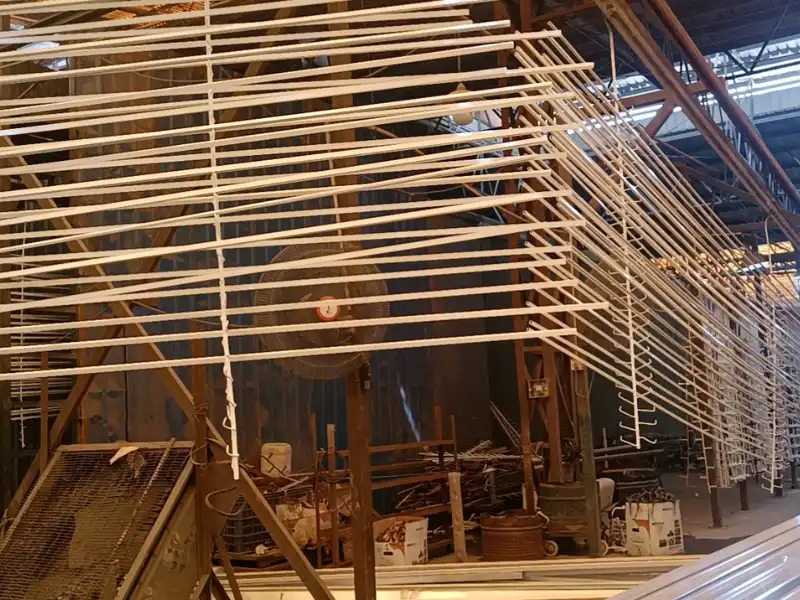
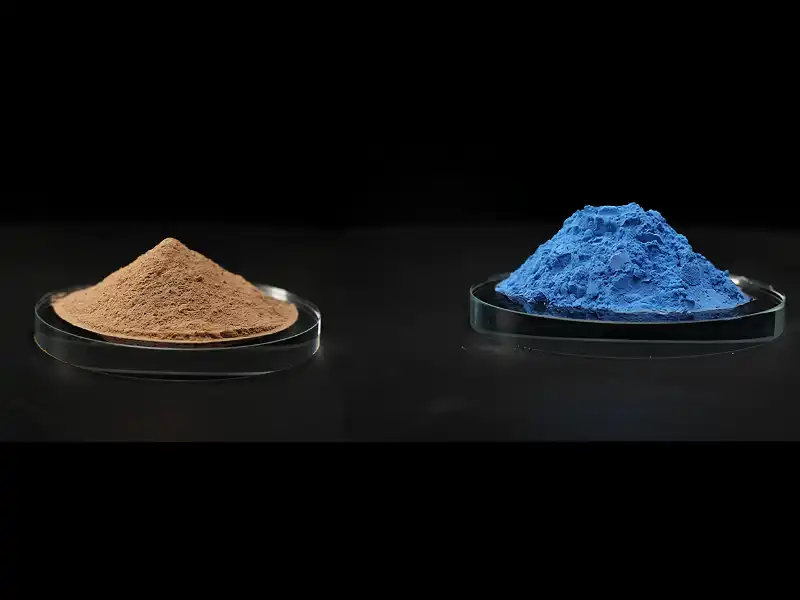
2026 Market Data: Outdoor polyester resin is approximately 10,200–11,000 RMB/ton (10–11 RMB/kg), while solid epoxy resin averages approximately 13,400 RMB/ton (13.4 RMB/kg) annually. PVDF powder/granules range from approximately 55,000–62,000 RMB/ton (55–62 RMB/kg), with the retail price for the high-end Solvay Solef 6010 grade from the U.S. at approximately 260 RMB/kg. Note: This is the brand’s retail price, not the bulk purchase price for door and window manufacturers. Please contact us for wholesale pricing.
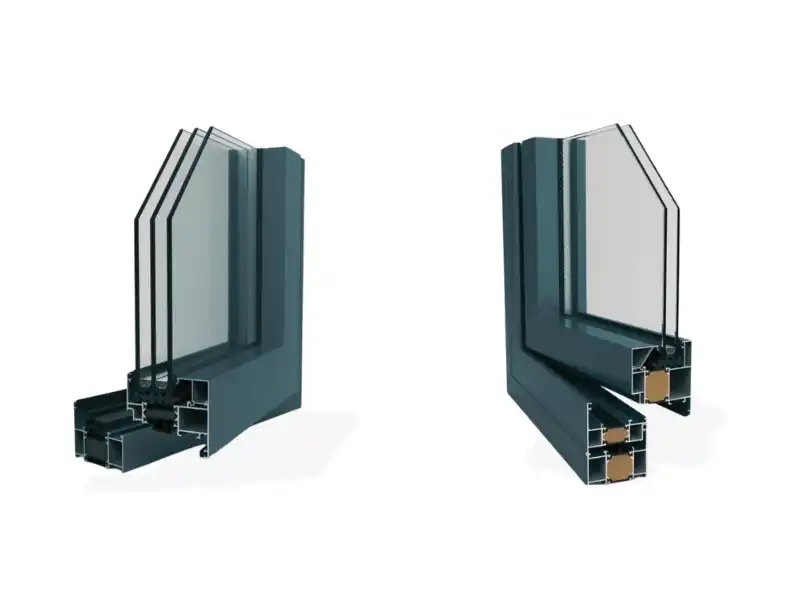
This layer is the core of the entire coating system and the primary factor determining the lifespan of the aluminum door coating. It is not a “film applied to the surface of the aluminum,” nor is it an aluminum oxide film. Instead, it is an inorganic ceramic film formed in situ on the aluminum surface through a chemical reaction, fusing completely with the aluminum substrate rather than merely adhering physically.
Epoxy Anti-Corrosion Primer Layer. This is the core distinguishing feature between standard residential models and high-specification commercial models. This layer may be omitted in mild inland environments, but it is mandatory for coastal areas with high salt fog, super-high-rise buildings subject to strong wind pressure, industrial zones, commercial projects, or orders with warranties exceeding 10 years.
Core Parameters: Film thickness 20–40 μm; two-component epoxy zinc-rich primer; electrostatic spraying; primer pre-curing followed by powder coating.
Function:
This is the layer that determines color, texture, and appearance—the only one visible to the naked eye. It forms a dense, armor-like coating through the high-temperature melting and cross-linking of solid powder, and must be fully cured to ensure long-term protective performance.
“It’s only been six months since installation, but a large chunk of paint peels off at the window corner just by scratching it—it’s like peeling skin!”
“As soon as I peel off the protective film, the aluminum is exposed at the frame’s right angles, and the paint is peeling off in large sections.”
“Around the lock holes, joints, and corners, the paint is peeling off everywhere, exposing the bare metal.”
Manufacturer’s Shortcuts:
Case Study
Ms. Lin from Fuzhou: Large areas of paint peeled off at the bottom and corners of her floor-to-ceiling windows immediately after removing the protective film; the seller only agreed to touch up the paint, not replace the panels.
Case of Incorrect Powder Resin Selection (February 2026)
An owner of a 26th-floor, unobstructed high-rise residence in Hangzhou, China, spent 80,000 yuan at the end of 2024 to customize all-white thermal break aluminum windows for the entire home. The vendor promised “weather-resistant powder specifically for outdoor use, guaranteed not to yellow or chalk for 10 years.”
Failure Symptoms: Just 14 months after installation, the exterior paint finish had completely lost its luster; the original pure white had turned into an uneven beige, and the surface became as rough as chalk. Wiping it with a dry cloth left the hands covered in white pigment powder, while the interior paint finish remained completely normal with no abnormalities.
Core Mistake / Substitution: To save 6 yuan per kilogram on powder costs, the seller used indoor-grade epoxy-polyester powder and passed it off as outdoor weather-resistant polyester powder. Under indoor LED lighting, the color appeared uniform and the texture rich, but once exposed to the strong UV environment outdoors, its true nature was immediately revealed.
Scientific Explanation: The molecular structure of epoxy powder lacks UV-resistant functional groups and contains no added light stabilizers. Under intense, unobstructed UV exposure at high altitudes, molecular chains break and the resin degrades within just one year, ultimately leading to irreversible yellowing and chalking.
Core Cases of Over-Baking / Inconsistent Curing Parameters
Case: February 2026
An owner of a large open-plan apartment in Hangzhou, China, ordered custom all-white system windows for the entire home in November 2025, specifying that the interior and exterior colors must be identical with no color difference.
Failure Symptoms: Upon delivery and installation, a noticeable color discrepancy between the door panels and window frames was immediately apparent—the window frames were a uniform pure white, while the door panels had turned a yellowish off-white. The gloss levels were also completely inconsistent, with one being matte and the other appearing dull; furthermore, the paint finish on the door panels was exceptionally brittle, chipping off with even minor bumps during installation, whereas the window frames did not exhibit this issue.
Core Cut-Corner Practice: The manufacturer uses a single set of curing parameters to produce all products, baking both thin window frames and heavy door panels in the same oven. The door panels take 8 minutes longer than the window frames to reach the specified temperature. By the time the door panels are fully cured, the thin window frames have already been over-baked, causing the resin to degrade at high temperatures, the white pigment to yellow, the gloss to be destroyed, and the paint film to become brittle.
Scientific Explanation: Aluminum profiles are highly heat-absorbing materials, and their heating curves vary drastically depending on wall thickness. Using a single set of parameters for all products inevitably leads to over-curing of thin components and incomplete curing of thick ones, ultimately resulting in color discrepancies and brittle, cracked paint films.
Final Outcome: The manufacturer remanufactured all window frames for the homeowner and covered all costs associated with round-trip transportation and reinstallation.