2026年10月8日

The fading of anodized aluminum doors and windows is never caused by a single factor, but rather by systemic failures throughout the entire process—from the formation of the oxide film to outdoor use. An anodized coating that is too thin cannot lock in the dye; a disordered or porous microstructure prevents the colored layer from adhering properly; low-quality dyes or those with insufficient weather resistance degrade rapidly under UV light; and inadequate sealing renders all previous efforts futile. External factors such as UV radiation, high temperatures, and acid rain relentlessly amplify each of these defects. The following five root causes are the true reasons why the “finish” of your aluminum doors and windows fails to last.
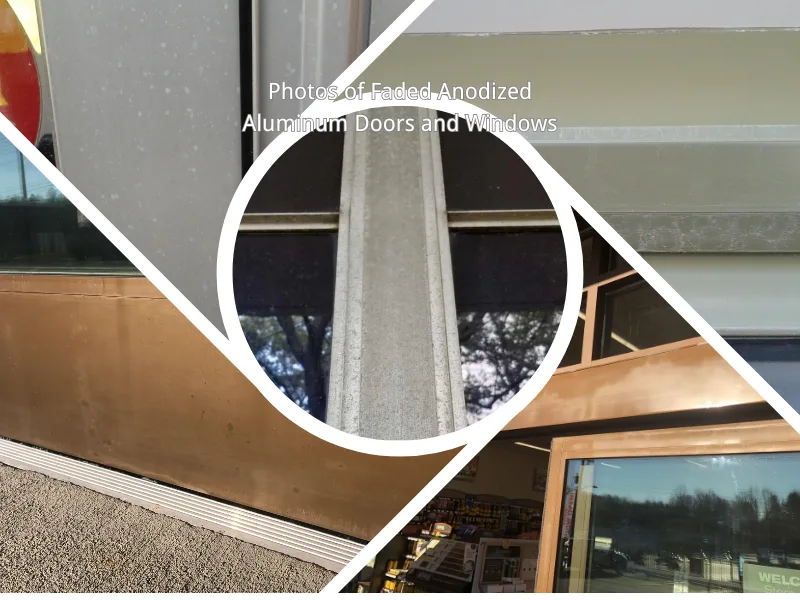
These five causes primarily include insufficient anodic oxidation thickness, substandard microporous structure of the coating, incorrect dye selection, inadequate sealing, and environmental chemical reactions. Below is a detailed explanation of each cause:
The anodized coating is the foundation of the entire surface treatment process. The principle involves creating a dense, porous, honeycomb-like Al₂O₃ oxide layer on the aluminum alloy surface: dyes must penetrate deep into the micro-pores of the coating to be permanently locked in by the subsequent sealing process. If the coating thickness is insufficient, the micropores will be too shallow, causing the dye to remain on the surface of the coating. Even with a perfect sealing process, the color cannot be stably locked in. UV light and rainwater can easily damage and leach the dye, making fading an inevitable outcome.
What consequences might a door and window supplier face after fading caused by insufficient coating thickness?
A Chinese door and window company purchased anodized aluminum profiles for a residential project. Just six months after delivery, the outdoor doors and windows experienced extensive fading. A forensic examination confirmed that the average thickness of the anodized coating on the profiles was only 7.2 μm, far below the mandatory requirement of ≥15 μm for Grade AA15 under the national standard. The report explicitly stated that insufficient coating thickness was the sole direct cause of the fading, unrelated to sealing quality or the usage environment. The court ultimately ruled that the supplier must refund the full purchase price and pay compensation for various losses totaling over 1.2 million yuan.
Therefore, one must not secretly reduce the thickness to save on material costs; otherwise, you will not only lose the trust of your customers but also face legal liability and be required to pay compensation.
If the parameters of the reaction solution are incorrect during the anodizing process, it will result in a disordered microporous structure of the aluminum oxide, uneven pore sizes, and a porous coating. Even if the thickness meets the standard, the coating will be unable to adsorb dyes uniformly, leading to localized color differences, rapid fading, and the coating becoming powdery and peeling off.
Parameters that can affect this include temperature, sulfuric acid concentration, current, oxidation time, aluminum ion concentration, impurities, and more.
All core bath parameters in the anodizing process are deeply tied to costs, with temperature having the greatest impact. These parameters not only determine the direct, controllable costs during production but also lock in hidden risk costs associated with subsequent scrap, rework, claims, and lost orders. Consequently, some companies attempt to control costs by manipulating these parameters, ultimately causing the aluminum oxide coating to lose its ability to retain dye—let alone maintain colorfastness on the surface of aluminum doors and windows.
Substandard dyes: Some manufacturers use low-quality dyes, recycled dyes of poor quality, uncertified dyes from small factories, or dyes mixed from multiple sources to achieve specific colors.
Insufficient lightfastness rating: Another issue is selecting the wrong lightfastness rating; although the difference may be only two or three grades, the cost can sometimes be as much as 10 times higher.
Incorrect dyeing parameters: Additionally, the parameters required for the dyeing process—such as pH, temperature, and time—may be incorrect. Consequently, it is inevitable that the aluminum doors and windows will discolor over time. We must select high-quality dyes or choose a reputable anodizing plant to ensure the use of qualified dyes.
Sealing is the final step in the anodizing process to lock in the dye color; therefore, if the sealing is inadequate, it will render all previous steps ineffective.
Why is the sealing process often inadequate?
Reasons include insufficient sealing time, incorrect selection of sealing agents, and inadequate composition or concentration of the sealing solution. These issues stem from cost-cutting practices that compromise the quality of the sealing process.
During use, aluminum window and door frames are exposed to various environmental factors such as ultraviolet (UV) radiation, intense sunlight, high temperatures, and acid rain.
How does UV radiation cause fading?
Solar UV radiation is the primary external environmental factor accelerating the fading of anodized aluminum doors and windows outdoors. Essentially, UV radiation breaks down the chromophore molecular structure of organic dyes while simultaneously damaging the protective structure of the oxide film and sealing layer. This dual effect causes the dyes to lose color and leach out, ultimately resulting in profile fading, loss of gloss, and color discrepancies. Furthermore, this photodegradation process is completely irreversible. Intense UV environments drastically amplify the risk of fading. For example, our clients in the United Arab Emirates, Saudi Arabia, Thailand, and Africa—where temperatures are consistently high—will experience fading of the metal surfaces on their aluminum doors and windows if the surface treatment does not meet the required standards.
What effect does high temperature have on the anodized coating?
Dyes: The organic dyes used in the anodization of outdoor aluminum doors and windows all have a heat resistance limit. Exceeding this threshold causes internal molecular damage, resulting in the loss of color-forming ability and subsequent fading. Furthermore, high temperatures trigger a series of thermal movements within the dye molecules, causing them to migrate out of the coating and become directly exposed, which greatly increases the risk of fading.
How does acid rain cause the anodized coating to fade?
Acid rain primarily consists of sulfuric and nitric acid types, and the sealing layer is highly susceptible to corrosion from acid rain. If the sealing layer is inadequate, the metal surface of aluminum doors and windows will, upon encountering acid rain, allow the acid to breach the first barrier and penetrate into the aluminum oxide film to react. Once aluminum oxide reacts with the acid, the dyes will be unable to remain within the honeycomb-like pores of the aluminum oxide, leading to easy fading over time.
How to Prevent Discoloration of Anodized Aluminum?